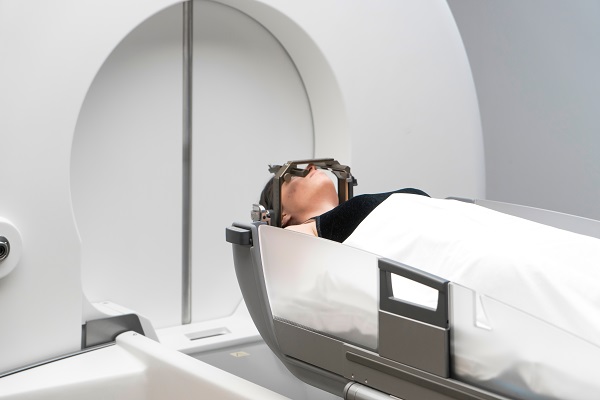
Gamma knife radiosurgery is a non-invasive and precise technique used in radiation therapy to treat various conditions that affect the brain. It is a type of stereotactic radiosurgery that delivers a high dose of radiation to a specific area of the brain. This technique helps neurosurgeons avoid damaging surrounding tissue. This blog will explore the different uses of Gamma Knife radiosurgery and how neurosurgeons utilize this innovative medical method.
The Different uses of gamma knife radiosurgery
Acoustic neuromas
Acoustic neuromas are noncancerous tumors that grow on the nerve that controls hearing and balance. Neurosurgeons can treat acoustic neuromas with Gamma Knife radiosurgery by delivering a high dose of radiation to the tumor, which causes it to shrink over time.
Arteriovenous malformations (AVMs)
Arteriovenous malformations, or AVMs, are abnormal tangled blood vessels in the brain. AVMs can cause seizures, headaches, and other severe symptoms. Neurosurgeons can treat AVMs by delivering a specific amount of radiation using Gamma Knife radiosurgery. This technique breaks up the blood vessels over time, easing the patient's symptoms.
Brain tumors
One of the most common uses of Gamma Knife radiosurgery is treating brain tumors. The technology allows neurosurgeons to deliver a high dose of radiation to the tumor while minimizing exposure to surrounding healthy tissue. Patients who are unable to undergo surgery due to age, the location of the tumor, or severe medical conditions can benefit from this procedure.
Epilepsy
Gamma Knife radiosurgery can also help treat epilepsy. A neurosurgeon completes this treatment, targeting the area of the brain that is causing seizures. The medical practitioner can help reduce seizures in those with epilepsy by delivering a high dose of radiation to the affected area.
Meningiomas
Meningiomas are tumors that occur in the meninges, which are the membranes surrounding the brain and the spinal cord. While this condition is not technically a brain tumor, it is similar as it compresses or squeezes the nerves and vessels in the brain. Gamma Knife radiosurgery can shrink meningiomas over time by delivering a high dose of radiation to the tumor.
Metastatic brain tumors
Metastatic brain tumors are a type of brain tumor that has spread to the brain from other parts of the body. Gamma Knife radiosurgery can treat these tumors with radiation and stop the tumor from spreading further. This also allows the neurosurgeon to minimize the patient's exposure to surrounding healthy tissue.
Movement disorders
Gamma Knife radiosurgery can also treat movement disorders such as Parkinson's disease and other involuntary tremors. Neurosurgeons can reduce the symptoms associated with these conditions by targeting the affected areas of the brain.
Pituitary tumors
Pituitary tumors are growths in the pituitary gland located at the base of the brain. As with other tumors, neurosurgeons can use gamma knife radiosurgery to target the tumor and use radiation. This technique can help reduce the size of the tumor over time.
Trigeminal neuralgia
Trigeminal neuralgia is a condition that causes severe facial pain due to irritation of the trigeminal nerve. Neurosurgeons can use gamma knife radiosurgery to target the nerve and reduce inflammation. This technique helps give patients long-lasting pain relief.
Ready to learn more?
Gamma Knife radiosurgery is a highly effective treatment option for various neurological conditions. Its precision, non-invasiveness, and ability to deliver high doses of radiation to specific areas of the brain have made it an attractive option for many patients. If you are curious about the wide range of uses of Gamma Knife radiosurgery, call our office to learn more.
Gamma Knife radiosurgery is available at Randall Porter, M.D. in our Phoenix office. Request an appointment by visiting https://arizonaneurosurgeon.com or calling (602) 603-8951.
Check out what others are saying about our services on Yelp: Gamma Knife Radiosurgery in Phoenix, AZ.
Recent Posts
Brain metastases can cause neurological changes that may seem minor at first, especially in someone managing cancer. Symptoms depend on where tumors develop, how large they become, and whether swelling affects brain tissue. Recognizing the changes below can help patients and possibly caregivers know when to seek professional care.Headaches are common, but they do not…
A spine surgeon, also called a neurosurgeon, can help determine whether specialized treatment can improve comfort and function when persistent neck or back pain interrupts daily life. A consultation allows patients to understand the diagnosis, compare available options, and prepare for the next stage of care. Bringing thoughtful questions to the appointment supports a clear,…
Lumbar stenosis refers to narrowing within the lower portion of the spinal canal or the spaces where spinal nerves travel. The lumbar spine supports much of the body's weight and helps connect the upper body to the hips and legs. When the available space around nerves becomes smaller, those nerves may become irritated or compressed.…
Getting a brain tumor diagnosis is stressful and can be scary without the right information. The Randall Porter, M.D. is here to provide clarity on meningioma symptoms and treatment options. Medically accurate information when you need it most can help you navigate healthcare decisions with confidence. The following guide addresses common questions to help you…