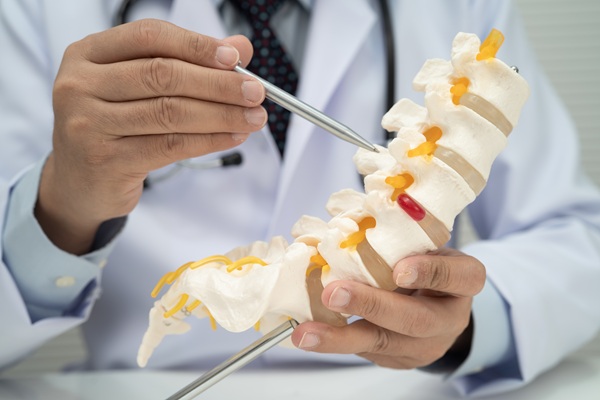
Lumbar stenosis refers to narrowing within the lower portion of the spinal canal or the spaces where spinal nerves travel. The lumbar spine supports much of the body's weight and helps connect the upper body to the hips and legs. When the available space around nerves becomes smaller, those nerves may become irritated or compressed. Here are common signs that it is time to consult a neurosurgeon due to lumbar stenosis.
Lower back pain and stiffness
Lower back pain is one of the most common symptoms of lumbar stenosis. The discomfort may feel dull, aching, tight, or sore, and it can become more noticeable after prolonged standing. Stiffness may also make it harder to straighten the back fully after sitting or resting. However, back pain alone does not always indicate lumbar stenosis. Many spinal conditions can cause similar symptoms, including muscle strain, disc problems, arthritis, and joint irritation. Of course, a detailed evaluation helps distinguish lumbar stenosis from other causes of lower back pain.
Pain that travels into the legs
Nerve pressure from lumbar stenosis can cause pain that travels from the lower back into the buttocks, thighs, calves, or feet. This discomfort may feel burning, sharp, electric, heavy, or aching. Some people notice symptoms on one side, while others experience them in both legs. These symptoms often worsen when standing or walking, but some may find relief when leaning forward, sitting down, or bending slightly at the waist. This pattern is often called neurogenic claudication and is commonly associated with lumbar spinal stenosis.
Numbness, tingling, and weakness
Lumbar stenosis can also cause numbness, tingling, pins-and-needles sensations, or cramping that may appear during walking or standing. These symptoms may fade after rest, but they can become more frequent or more intense as nerve pressure increases. Further, there may be a sense of weakness that makes the legs feel heavy or less steady. Some individuals may have trouble climbing stairs, rising from a chair, or lifting the front part of the foot while walking. These changes warrant medical attention because they may indicate that nerve function is increasingly affected.
When symptoms need prompt attention
Certain symptoms need urgent medical assessment, such as new loss of bladder or bowel control, numbness around the groin or inner thighs, severe or rapidly worsening leg weakness, or sudden inability to walk normally, which can indicate serious nerve compression. These symptoms may require emergency evaluation rather than waiting for a routine appointment.
Further, persistent pain, worsening numbness, or reduced walking ability also deserves timely attention. An early evaluation can help identify the cause and guide appropriate next steps. The neurosurgeon will likely recommend imaging, nerve testing, conservative care, or surgical options depending on the severity of symptoms and the amount of nerve compression.
Schedule an evaluation
Lumbar stenosis can cause various uncomfortable symptoms when spinal narrowing affects lower-body nerves. These symptoms often become more noticeable with standing or walking and may improve with sitting or bending forward. Our neurosurgeon can evaluate these changes and help determine the most appropriate path to protect mobility, comfort, and nerve function—give us a call to schedule an evaluation.
Request an appointment here: https://arizonaneurosurgeon.com or call Randall Porter, M.D. at (602) 603-8951 for an appointment in our Phoenix office.
Check out what others are saying about our services on Yelp: Lumbar Stenosis in Phoenix, AZ.
Recent Posts
Brain metastases can cause neurological changes that may seem minor at first, especially in someone managing cancer. Symptoms depend on where tumors develop, how large they become, and whether swelling affects brain tissue. Recognizing the changes below can help patients and possibly caregivers know when to seek professional care.Headaches are common, but they do not…
A spine surgeon, also called a neurosurgeon, can help determine whether specialized treatment can improve comfort and function when persistent neck or back pain interrupts daily life. A consultation allows patients to understand the diagnosis, compare available options, and prepare for the next stage of care. Bringing thoughtful questions to the appointment supports a clear,…
Getting a brain tumor diagnosis is stressful and can be scary without the right information. The Randall Porter, M.D. is here to provide clarity on meningioma symptoms and treatment options. Medically accurate information when you need it most can help you navigate healthcare decisions with confidence. The following guide addresses common questions to help you…
Vestibular schwannoma treatment depends on the size of the tumor, the symptoms it is causing, and how quickly it appears to be growing. A vestibular schwannoma, or acoustic neuroma, is a noncancerous tumor that develops on the nerve connected to hearing and balance. Despite the fact that it is benign, it can affect hearing, facial…