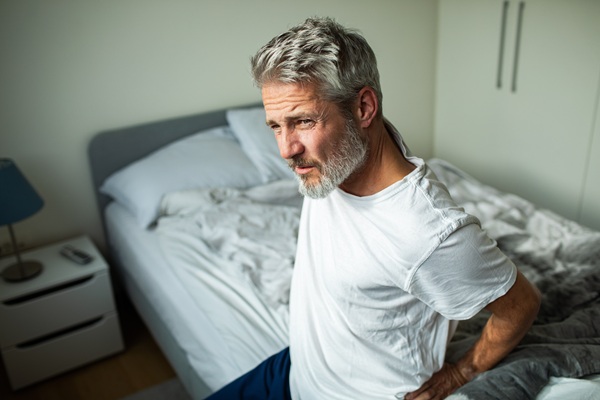
A pinched nerve can cause symptoms of radiculopathy. Peripheral nerves attach to the spinal cord to connect the limbs to the central nervous system. The points where they attach are called the nerve roots. If something puts pressure on the nerve roots, it can cause symptoms of numbness, tingling, pain, weakness, or loss of reflexes in the affected limb.
These effects are known collectively as radiculopathy, so called because of the way that the symptoms seem to radiate from the nerve root down into the limb. It most often affects older people but, because it has more than one possible cause, can occur at any age. There are both surgical and nonsurgical treatment options available.
Nonsurgical treatment options
Nonsurgical treatment options for radiculopathy are also referred to as conservative treatments. Because of the risks associated with surgery, doctors typically prefer to attempt nonsurgical treatments first to see if they are effective at relieving the symptoms.
Physical therapy
Physical therapy exercises help to strengthen the muscles of your core so they can better support your spine. The improved support can help to relieve pressure on the nerve roots.
Weight loss
When you are overweight, the excess body mass can put more pressure on your joints, including the intervertebral joints of the spine. Losing weight can help to relieve some of the pressure. It also offers additional benefits to your overall health.
Steroid injections
Inflammation in the intervertebral joints can cause swelling that contributes to radiculopathy symptoms. Steroid injections deliver medication right to the source of the problem that helps to reduce the inflammation and relieve the symptoms.
Oral medications
Oral medications that may help radiculopathy include nonsteroidal anti-inflammatory drugs, muscle relaxants, and opioid painkillers. NSAIDs may be available over the counter or in greater amounts by prescription. Muscle relaxants can help to relieve tension. Opioids are effective at controlling pain but have to be used with caution to prevent addiction.
Surgical treatment options
Doctors usually only consider surgical options when radiculopathy symptoms persist despite a course of conservative treatment. The surgical treatments available depend partly on what is causing the pressure on the nerve roots that provokes symptoms.
Diskectomy
Intervertebral disks are rubbery structures that serve as shock absorbers in between the bones of the spine. Damage to a disk can cause a portion to slip out of place and put pressure on the nerve roots. A diskectomy involves removing the portion of the disk that is out of place.
Spinal decompression
Sometimes the bony canals through which the spinal cord and the nerve roots pass through can become narrow. A spinal decompression opens these up to relieve the pressure.
Spinal fusion
A spinal fusion is a procedure to connect two or more adjacent vertebrae permanently together. This can help relieve pressure on the nerve roots by preventing the vertebrae from moving.
Conclusion
Radiculopathy occurs because of pressure on the roots of the peripheral nerves where they attach to the spinal cord. It can be painful and potentially debilitating, but there are surgical and nonsurgical treatment options available.
If your radiculopathy persists despite conservative treatment, contact our office to discuss whether you are a neurosurgical candidate.
Check out what others are saying about our services on Yelp: Read our Yelp reviews.
Recent Posts
Brain metastases can cause neurological changes that may seem minor at first, especially in someone managing cancer. Symptoms depend on where tumors develop, how large they become, and whether swelling affects brain tissue. Recognizing the changes below can help patients and possibly caregivers know when to seek professional care.Headaches are common, but they do not…
A spine surgeon, also called a neurosurgeon, can help determine whether specialized treatment can improve comfort and function when persistent neck or back pain interrupts daily life. A consultation allows patients to understand the diagnosis, compare available options, and prepare for the next stage of care. Bringing thoughtful questions to the appointment supports a clear,…
Lumbar stenosis refers to narrowing within the lower portion of the spinal canal or the spaces where spinal nerves travel. The lumbar spine supports much of the body's weight and helps connect the upper body to the hips and legs. When the available space around nerves becomes smaller, those nerves may become irritated or compressed.…
Getting a brain tumor diagnosis is stressful and can be scary without the right information. The Randall Porter, M.D. is here to provide clarity on meningioma symptoms and treatment options. Medically accurate information when you need it most can help you navigate healthcare decisions with confidence. The following guide addresses common questions to help you…