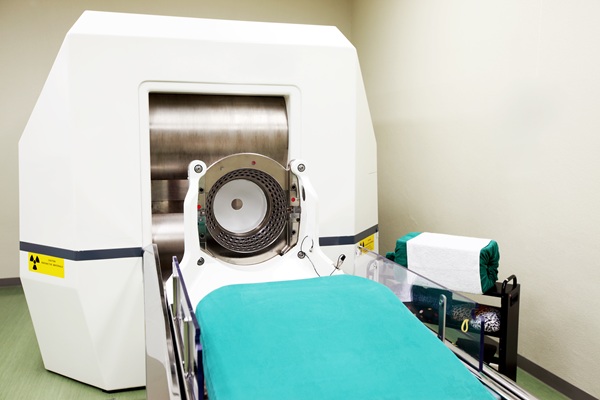
Gamma Knife is a non-invasive surgical procedure that uses targeted radiation to treat brain tumors, arteriovenous malformations, and other neurological conditions. Unlike traditional surgery, the Gamma Knife does not require incisions, making it an ideal option for patients seeking effective treatment with minimal recovery time. Here are answers to some of the most frequently asked questions about this procedure to help you better prepare for an appointment.
What is Gamma Knife surgery?
Gamma Knife surgery is a form of stereotactic radiosurgery that uses highly focused beams of radiation to treat brain conditions. The procedure is known as Gamma Knife surgery because it utilizes 192 precisely directed beams of gamma radiation to target a specific area. This technique enables surgeons to treat tumors and other brain conditions with pinpoint accuracy, eliminating the need for traditional open surgery.
The patient is typically positioned in a specifically designed frame, which keeps the head steady during treatment. A CT or MRI scan will create a detailed map of the brain, and the radiation beams are then delivered based on this image. Patients remain awake throughout the procedure, which can take one to three hours, depending on the size and location of the targeted area.
Who is a candidate for Gamma Knife surgery?
Gamma Knife surgery is suitable for patients with certain brain conditions that can be treated with focused radiation. According to the Cleveland Clinic, this includes individuals with brain tumors (both benign and malignant), arteriovenous malformations (AVMs), trigeminal neuralgia, and some functional disorders such as Parkinson's disease or epilepsy.
This type of treatment is particularly beneficial for patients whose tumors or conditions are located in areas of the brain that are difficult to access through traditional surgery. Patients who are not candidates for traditional surgery due to other health issues may also benefit from Gamma Knife treatment, as it is a non-invasive procedure with fewer risks.
Is Gamma Knife painful?
Despite its name, Gamma Knife surgery is generally not painful. As mentioned, the procedure is non-invasive, meaning no incisions are necessary, and the patient can remain awake the entire time. The only discomfort patients may experience is from the head frame, which the neurosurgeon places on the scalp to keep the head immobilized during the procedure. Local anesthesia may also be necessary to numb the scalp, minimizing any discomfort during the placement of the frame.
While the treatment itself does not cause pain, some patients may experience mild discomfort or a headache afterward. These side effects are usually temporary and can be managed with over-the-counter medications.
What is the recovery process like after Gamma Knife surgery?
The recovery process after Gamma Knife surgery is generally quick and straightforward. Most patients can return home the same day after the procedure. While some patients may experience mild side effects such as headaches or fatigue, these typically resolve within a few days.
Patients typically resume normal activities within 24 to 48 hours after the procedure. Follow-up appointments are necessary to monitor progress and ensure the treatment is effective. Over time, the targeted condition or tumor will shrink or be eliminated as the radiation continues to work, often showing results within weeks or months.
Consult a Phoenix neurosurgeon
Gamma Knife surgery offers a non-invasive, effective solution for treating various brain conditions with minimal recovery time and reduced risks compared to traditional surgery. If you or someone you know is considering this procedure, contact us. Our neurosurgeon will determine if it is the right treatment option for your condition.
Request an appointment here: https://arizonaneurosurgeon.com or call Randall Porter, M.D. at (602) 603-8951 for an appointment in our Phoenix office.
Check out what others are saying about our services on Yelp: Gamma Knife in Phoenix, AZ.
Recent Posts
Brain metastases can cause neurological changes that may seem minor at first, especially in someone managing cancer. Symptoms depend on where tumors develop, how large they become, and whether swelling affects brain tissue. Recognizing the changes below can help patients and possibly caregivers know when to seek professional care.Headaches are common, but they do not…
A spine surgeon, also called a neurosurgeon, can help determine whether specialized treatment can improve comfort and function when persistent neck or back pain interrupts daily life. A consultation allows patients to understand the diagnosis, compare available options, and prepare for the next stage of care. Bringing thoughtful questions to the appointment supports a clear,…
Lumbar stenosis refers to narrowing within the lower portion of the spinal canal or the spaces where spinal nerves travel. The lumbar spine supports much of the body's weight and helps connect the upper body to the hips and legs. When the available space around nerves becomes smaller, those nerves may become irritated or compressed.…
Getting a brain tumor diagnosis is stressful and can be scary without the right information. The Randall Porter, M.D. is here to provide clarity on meningioma symptoms and treatment options. Medically accurate information when you need it most can help you navigate healthcare decisions with confidence. The following guide addresses common questions to help you…