Traditional Stenosis Treatment Options
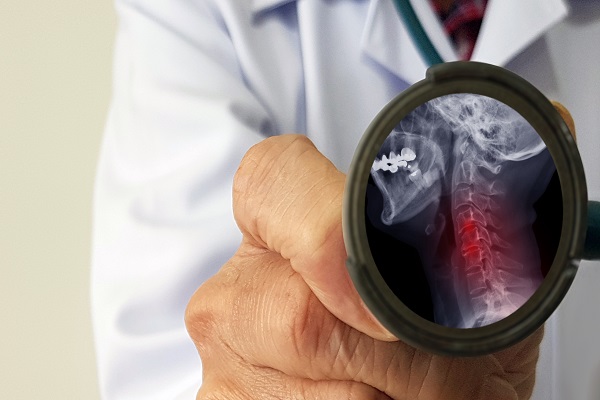
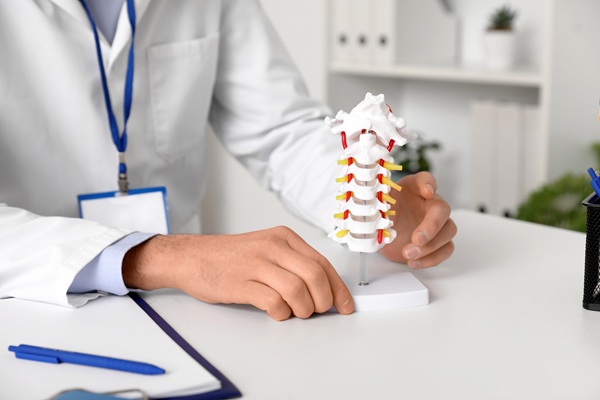
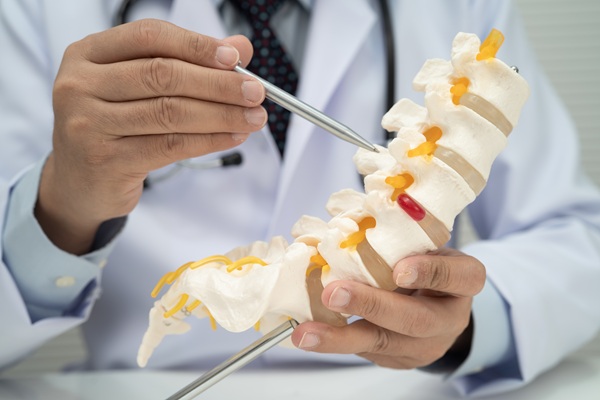
Stenosis treatment may be necessary if you are experiencing the pain and stiffness associated with this condition. The wear and tear that comes with aging and osteoarthritis is often the cause of spinal stenosis, which is the narrowing of the spaces within the spinal cord (the spinal canal). This narrowing puts immense and debilitating pressure on the neck and lower back.
Patients who suffer from spinal stenosis should begin with conservative treatment options before they explore more invasive procedures.
Conservative treatment options
Over-the-counter medications like acetaminophen and ibuprofen can help relieve pain and reduce inflammation. Prescribed medications can be given to treat more severe cases of spinal stenosis that OTC medications do not seem to help.
Hot and cold applications that are alternated may provide some relief, relax tense muscles around the spine and reduce inflammation.
Steroid injections via epidural provide longer-lasting and more direct pain relief benefits, which may help patients perform activities of daily living and physical therapy.
Exercise and activity modifications may be necessary to avoid motions that aggravate the condition. Resting may also provide some relief and let the muscles around the spine relax so less pressure is placed on the nerves.
Physical therapy can help strengthen the muscles around the back and neck to improve posture. Postural improvements provide physical relief from positions that aggravate the condition, and exercise may improve flexibility to reduce stiffness.
Weight loss and diet modifications may prove to reduce symptoms by relieving some of the pressure from weight gain that the spine is experiencing. These changes may also slow the degeneration of the spine.
If conservative treatment options are not easing the discomfort associated with the most severe cases of spinal stenosis, there are a few other stenosis treatment options available.
Other treatment options
Surgery is a potential option if the patient is suffering without relief and the pain is hindering work and activities of daily living. Decompression laminectomy is one surgery option that may provide the best results. This procedure removes the back part of the vertebra and any bone spurs and calcium deposits within the spinal canal to produce more space and relieve pinched nerves.
A laminoplasty may be performed if the stenosis is affecting the cervical spine. With this procedure, space is created within the spinal canal and a hinge is put in place to bridge the gap that remains, leading to better range of motion and reduced stiffness and pain.
Spinal fusion is another surgery option that may be performed. During a spinal fusion, two or more vertebrae are fused together (connected) to build a better support system for the spine and body. While this procedure may limit some movement patterns, it is ultimately a good option to reduce pain and inflammation and provide stability to the body.
Learn about minimally invasive solutions
If at-home care has not helped and surgery is not of interest, there are other ways we can help. New minimally invasive procedures are available to treat pain and to promote healing. Patients visit our office for treatments they cannot get elsewhere.
If you have spinal stenosis, whether in your neck or lower back, we can help. An examination and health history will provide us with the information we need to develop a stenosis treatment plan that will reduce symptoms and help you feel like yourself again.
For more information or to schedule an appointment with us, call (602) 603-8951. Our office is located in Phoenix. Call Randall Porter, M.D. today.
Check out what others are saying about our services on Yelp: Read our Yelp reviews.
Recent Posts
A spine surgeon, also called a neurosurgeon, can help determine whether specialized treatment can improve comfort and function when persistent neck or back pain interrupts daily life. A consultation allows patients to understand the diagnosis, compare available options, and prepare for the next stage of care. Bringing thoughtful questions to the appointment supports a clear,…
Lumbar stenosis refers to narrowing within the lower portion of the spinal canal or the spaces where spinal nerves travel. The lumbar spine supports much of the body's weight and helps connect the upper body to the hips and legs. When the available space around nerves becomes smaller, those nerves may become irritated or compressed.…
Getting a brain tumor diagnosis is stressful and can be scary without the right information. The Randall Porter, M.D. is here to provide clarity on meningioma symptoms and treatment options. Medically accurate information when you need it most can help you navigate healthcare decisions with confidence. The following guide addresses common questions to help you…
Vestibular schwannoma treatment depends on the size of the tumor, the symptoms it is causing, and how quickly it appears to be growing. A vestibular schwannoma, or acoustic neuroma, is a noncancerous tumor that develops on the nerve connected to hearing and balance. Despite the fact that it is benign, it can affect hearing, facial…