How Does Facial Reanimation Work?
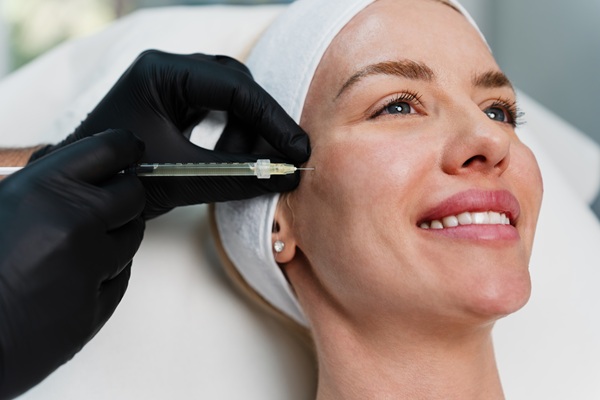
Facial reanimation restores movement and symmetry after nerve injury, paralysis, or congenital facial weakness. A neurosurgeon focuses on rebuilding both form and function through microsurgical techniques that reconnect or replace damaged facial nerves and muscles. Facial reanimation aims to return natural movement, emotional expression, and facial balance, helping patients regain confidence and comfort in daily communication.
Understanding facial paralysis
Facial paralysis often develops after trauma, tumor removal, stroke, or infection that damages the facial nerve. When the nerve can no longer send signals to muscles, the face loses mobility and tone on one or both sides. Over time, muscles weaken, and asymmetry becomes more pronounced. Facial reanimation uses precise nerve and muscle reconstruction to restore coordinated movement and prevent long-term stiffness.
Surgical methods used in facial reanimation
A neurosurgeon selects the most appropriate procedure based on the cause, duration, and extent of paralysis. Each technique focuses on re-establishing nerve communication or transferring functional tissue from another area of the body.
Common techniques include:
- Nerve grafting: A segment of healthy nerve bridges the gap between functional and paralyzed areas, allowing signals to travel more effectively again.
- Nerve transfer: A donor nerve from another facial or neck region is connected directly to the affected muscles, enabling faster reinnervation.
- Muscle transfer: When facial muscles lose tone entirely, a surgeon may transplant a small muscle, such as the gracilis from the thigh, and link it to a new nerve source to restore motion.
Each approach requires microsurgical precision, with magnification to properly align nerve fibers and small blood vessels.
Rehabilitation after surgery
Recovery depends on how long the nerve has been inactive and which technique the neurosurgeon performed. Most patients begin to see gradual movement within several months, though full improvement can take a year or longer. However, physical therapy supports the formation of new nerve connections and strengthens coordination, while exercises often focus on symmetry, gentle stretching, and movement retraining to help the brain re-establish control over facial expressions.
Benefits of facial reanimation
Facial reanimation restores the ability to smile, blink, and express emotion naturally. It improves speech, eye protection, oral competence, and overall facial balance. Beyond physical results, the surgery enhances emotional well-being and social confidence. The outcome reflects both surgical skill and commitment to ongoing therapy, making collaboration between neurosurgeon, therapist, and patient essential for success.
Modern advancements in facial reanimation
Advances in microsurgery, imaging, and intraoperative monitoring have greatly improved precision and outcomes. Some centers use advanced nerve mapping and minimally invasive techniques to reduce scarring and speed recovery. Early referral to a facial reanimation specialist remains key, as timing influences which procedures yield the best long-term results.
Call us for more information
Facial reanimation restores motion, expression, and confidence by re-establishing nerve and muscle control. With a personalized plan and continued rehabilitation, most patients regain natural facial symmetry and improved emotional communication. For more information or to schedule an evaluation, call our office.
To schedule a consultation, please request an appointment on our website at https://arizonaneurosurgeon.com or call Randall Porter, M.D. at (602) 603-8951 to arrange an appointment at our Phoenix office.
Check out what others are saying about our services on Yelp: Facial Reanimation in Phoenix, AZ.
Recent Posts
A spine surgeon, also called a neurosurgeon, can help determine whether specialized treatment can improve comfort and function when persistent neck or back pain interrupts daily life. A consultation allows patients to understand the diagnosis, compare available options, and prepare for the next stage of care. Bringing thoughtful questions to the appointment supports a clear,…
Lumbar stenosis refers to narrowing within the lower portion of the spinal canal or the spaces where spinal nerves travel. The lumbar spine supports much of the body's weight and helps connect the upper body to the hips and legs. When the available space around nerves becomes smaller, those nerves may become irritated or compressed.…
Getting a brain tumor diagnosis is stressful and can be scary without the right information. The Randall Porter, M.D. is here to provide clarity on meningioma symptoms and treatment options. Medically accurate information when you need it most can help you navigate healthcare decisions with confidence. The following guide addresses common questions to help you…
Vestibular schwannoma treatment depends on the size of the tumor, the symptoms it is causing, and how quickly it appears to be growing. A vestibular schwannoma, or acoustic neuroma, is a noncancerous tumor that develops on the nerve connected to hearing and balance. Despite the fact that it is benign, it can affect hearing, facial…