Understanding Spondylolisthesis Treatment
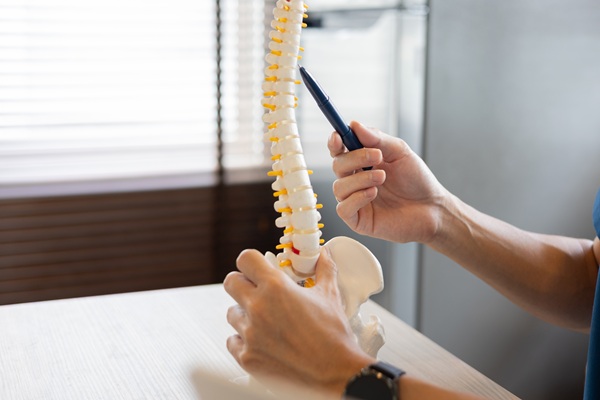
Spondylolisthesis occurs when one vertebra in the spine slips forward over the one below it, and understanding treatment helps patients make informed decisions about pain relief and mobility. This condition can cause mild to severe lower back pain, leg pain, stiffness, or even changes in posture and walking patterns. Understanding the full range of treatment options helps patients work with a neurosurgeon to choose the safest, most effective plan.
What is spondylolisthesis, and how do neurosurgeons diagnose it?
Spondylolisthesis can develop from stress fractures, age-related changes, congenital spine differences, or previous injury. The condition most often affects the lower back, where the vertebrae bear significant weight and undergo significant motion. Some patients notice pain that worsens with standing, walking, or extending the spine, and improves with rest or bending forward.
Diagnosis begins with a detailed medical history and physical examination. Imaging, such as X-rays, MRI, or CT scans, helps confirm the vertebral slip, measure its severity, and identify any nerve compression. The imaging also guides the neurosurgeon in selecting treatment options that match the type and grade of spondylolisthesis.
Interventional pain management
When pain remains significant despite initial measures, interventional techniques may provide additional relief. Epidural steroid injections deliver anti-inflammatory medication near irritated nerve roots to reduce swelling and improve leg pain. Facet joint injections or medial branch blocks may target painful joints around the slipped level.
These procedures do not correct spondylolisthesis, but they help create a window of relief that allows patients to participate more fully in physical therapy and daily activities. A neurosurgeon evaluates symptoms, imaging findings, and prior treatments before recommending injections. Careful candidate selection and precise image-guided techniques support safer, more predictable results.
When surgery becomes an option
Surgical spondylolisthesis treatment becomes an option when pain persists despite comprehensive conservative care, when nerve symptoms worsen, or when spinal instability threatens long-term function. Warning signs that may lead to a surgical discussion include progressive leg weakness, difficulty walking even short distances, or loss of bowel or bladder control. In these situations, surgery aims to relieve pressure on nerves and stabilize the spine.
Common procedures include decompression to remove tissue pressing on nerves and spinal fusion to connect and stabilize the affected vertebrae. Modern techniques often use screws, rods, and bone graft material to create a solid bridge between levels. Minimally invasive approaches, when appropriate, use smaller incisions and specialized instruments to reduce muscle disruption and support a smoother recovery.
Recovery and long-term management
After surgery, a structured recovery plan supports healing and long-term stability. Early mobilization, guided physical therapy, and gradual activity progression help patients rebuild strength and flexibility. Pain management focuses on controlling discomfort while avoiding overreliance on medications. Follow-up visits and imaging allow the neurosurgeon to monitor fusion progress and nerve recovery. Overall, long-term success depends on maintaining a healthy weight, staying active with spine-friendly exercise, and using proper body mechanics for lifting and daily tasks. Whether treatment remains nonsurgical or includes surgery, ongoing attention to posture, core strength, and lifestyle choices reduces the risk of future flare-ups.
Schedule an appointment
Spondylolisthesis treatment focuses on protecting nerve function, reducing pain, and stabilizing the spine through a combination of conservative therapies and, when necessary, surgical intervention. With accurate diagnosis, individualized planning, and consistent follow-up care, patients can manage symptoms effectively and regain mobility. Have you been diagnosed with spondylolisthesis? Contact Randall Porter, M.D. for an appointment.
Request an appointment here: https://arizonaneurosurgeon.com or call Randall Porter, M.D. at (602) 603-8951 for an appointment in our Phoenix office.
Check out what others are saying about our services on Yelp: Read our Yelp reviews.
Recent Posts
Brain metastases can cause neurological changes that may seem minor at first, especially in someone managing cancer. Symptoms depend on where tumors develop, how large they become, and whether swelling affects brain tissue. Recognizing the changes below can help patients and possibly caregivers know when to seek professional care.Headaches are common, but they do not…
A spine surgeon, also called a neurosurgeon, can help determine whether specialized treatment can improve comfort and function when persistent neck or back pain interrupts daily life. A consultation allows patients to understand the diagnosis, compare available options, and prepare for the next stage of care. Bringing thoughtful questions to the appointment supports a clear,…
Lumbar stenosis refers to narrowing within the lower portion of the spinal canal or the spaces where spinal nerves travel. The lumbar spine supports much of the body's weight and helps connect the upper body to the hips and legs. When the available space around nerves becomes smaller, those nerves may become irritated or compressed.…
Getting a brain tumor diagnosis is stressful and can be scary without the right information. The Randall Porter, M.D. is here to provide clarity on meningioma symptoms and treatment options. Medically accurate information when you need it most can help you navigate healthcare decisions with confidence. The following guide addresses common questions to help you…